








The rise of streaming platforms has reshaped the global audiovisual landscape, and Europe is no exception. From Netflix, HBO, and Amazon Prime to Spain’s Filmin, Movistar+ and AtresPlayer, this digital revolution has transformed how audiences consume film and television. It brings opportunities for cultural diffusion and innovation, but also challenges that demand strong regulation and cross-border cooperation.
Projects such as the Jean Monnet Chair on European Audiovisual Heritage at the Complutense University of Madrid have opened essential spaces for research and debate. Their goal: to ensure that Europe’s rich audiovisual legacy does not merely survive but thrives in the Digital Single Market.
New opportunities, urgent duties
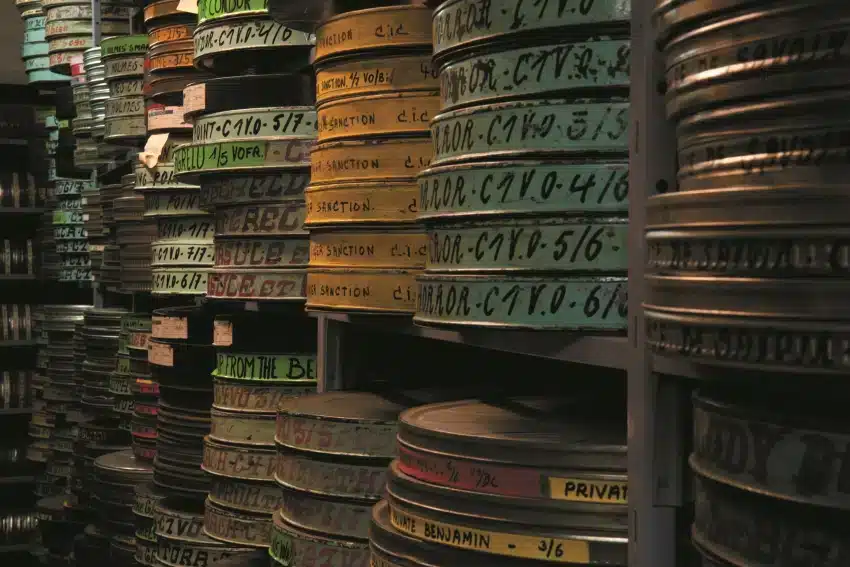
Streaming and video-on-demand services have made European films and series more visible internationally and created new careers in the sector. Yet the flip side is the urgent need for policies that safeguard Europe’s audiovisual heritage—film, television, radio, recordings and photographs. Preservation and access must go hand in hand.
The Jean Monnet Chair Modern Times focuses on how access to this heritage is changing. Its mission is to reassess EU cultural policy under the principle of “Unity in Diversity.”
The legal framework
At the core of Europe’s audiovisual regulation lies the Audiovisual Media Services Directive (AVMSD). It matters not just for European broadcasters and film producers, but also for foreign platforms operating in Europe. Netflix, HBO and Amazon Prime, for instance, are required to ensure at least 30% of their catalog consists of European works. In Spain, the directive was transposed into the 2022 reform of the Audiovisual Communication Act.
Other EU measures complement this framework:
- The 2017 cross-border portability regulation allows subscribers to use services while traveling in the EU.
- The 2019 directive on digital content contracts strengthens consumer rights for apps and online services.
- The 2019 copyright directive—controversial for its content-filtering requirements on platforms like YouTube—aims to protect authors in the digital market.
- The 2014 directive on collective rights management regulates multi-territorial music licenses.
Together, these rules harmonize how audiovisual operators work across the Union. Still pending in Spain is the promised reform of the 2007 Cinema Law, which heritage advocates hope will grant stronger powers and funding to the Spanish Film Archive.
Cross-border cooperation
Because the internet knows no borders, interstate cooperation is essential. EU policy, especially the AVMSD, seeks to provide common ground for all players. The Jean Monnet Chair promotes “new windows” for European content, including co-productions with Latin America. This is not only about protecting European cinema and languages but also about extending them beyond EU borders.
Yet obstacles remain:
- the speed of digital change makes regulation hard to keep up;
- member states transpose directives unevenly;
- technical challenges, such as copyright filters, are demanding;
- preservation and access to heritage require constant balance with rights management.
Progress is also real:
- Legislative commitment is clear in the AVMSD, copyright and portability measures.
- Research initiatives such as the Jean Monnet Chair and the Horizon REBOOT consortium are training professionals and studying competitiveness in European cinema.
- Awareness and dissemination efforts, from theses and publications to YouTube channels and open-access platforms, help build digital literacy and appreciation of audiovisual heritage.
At a crossroads
Europe’s audiovisual market stands at a turning point. Streaming offers unprecedented visibility for European culture, but only if it is accompanied by robust, flexible regulation and genuine cooperation among states. The challenges—harmonizing laws, preserving archives, balancing rights and access—are complex. Yet Europe has already shown determination to adapt.
The future of Europe’s audiovisual heritage will depend on getting that balance right: a digital future that safeguards both diversity and memory while ensuring Europe’s stories remain visible to the world.